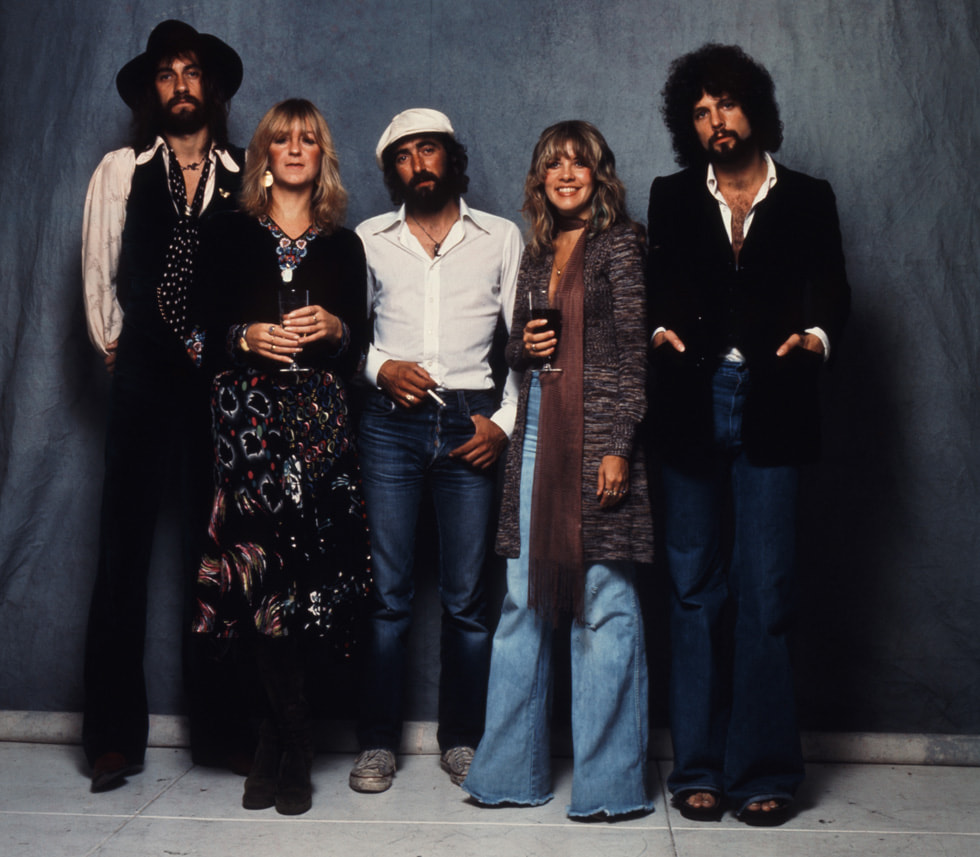
Fleetwood Mac have spent decades being described through the breakups, betrayals and reconciliations that surrounded their records. Now the musicians themselves are getting the microphone. On October 22, Apple Original Films announced that Fleetwood Mac: The Chain, a fully authorized documentary directed by Frank Marshall, will premiere globally on Apple TV on January 29, 2027.
The timing is deliberate. The film arrives just ahead of the 50th anniversary of Rumours, the 1977 album that transformed private turmoil into enormously popular music. Its title comes from the record’s only song credited to all five members of the celebrated lineup: Mick Fleetwood, John McVie, Christine McVie, Lindsey Buckingham and Stevie Nicks.
According to Apple’s announcement, the documentary draws on previously unseen footage and exclusive new interviews to examine the band’s extraordinary run. The late Christine McVie, who died in 2022, is represented through archival material. Marshall’s previous music-documentary work includes projects about the Bee Gees and the Beach Boys.
There is an obvious appeal to an authorized account: the people who made the records can describe what happened without having their memories filtered entirely through outside commentators. But authorization also raises a more interesting question. When a group’s mythology has become almost as famous as its songs, how much of that mythology can the group itself challenge?
The story is bigger than the familiar five-person photograph. Fleetwood Mac began as a British blues band led by guitarist Peter Green, years before Buckingham and Nicks joined. The Rock & Roll Hall of Fame recognizes that transformation from blues roots to California pop as central to the band’s identity. Apple’s announced focus on the best-known lineup makes sense, but the earlier chapters matter too: they show how thoroughly a band can reinvent itself without changing its name.
And Rumours is more than a collection of gossip set to melodies. Its arrangements balance distinct songwriting voices with an unusually unified sound. The album won the 1978 Grammy for Album of the Year, as the Recording Academy’s records confirm. The music endured because the tension produced something listeners could recognize in their own lives, not simply because the stories behind it were sensational.
That is the test for The Chain. A documentary with access to the participants and their archives could deepen the familiar account, or merely polish it. The most revealing moments may be those in which five perspectives refuse to fit neatly together. For a band whose signature song insists on an unbroken bond, the contradictions are part of the story.
Photo credit: Apple Original Films / Apple TV publicity photograph, released with the film announcement.



Leave a Reply