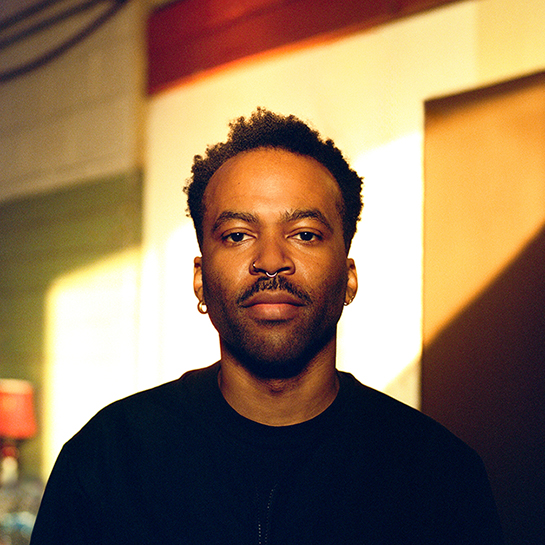
A saxophone can sound like a human voice, but on Animative, Josh Johnson also asks it to behave like a control surface. The Chicago-raised, Los Angeles-based musician uses his horn to trigger samplers, drum machines and changes in electronic effects. It is an intriguing reversal: rather than making a machine imitate a musician, Johnson makes a musician’s breath and timing intervene in the machine.
The ten-track album arrived on physical formats and download on October 23, with streaming following November 10, through International Anthem and Nonesuch. Johnson co-produced it with Paul Bryan. Contributors include Meshell Ndegeocello, Macie Stewart, Marquis Hill and Ben Lumsdaine. Those credits describe a record built from collaboration, even when the central conceit is the intensely personal relationship between a player and his equipment.
Johnson is already familiar to listeners of Jeff Parker’s ETA IVtet and the collective SML. He also produced Ndegeocello’s The Omnichord Real Book. Yet Animative is not simply another example of jazz musicians borrowing electronic textures. Its more interesting proposition concerns authorship: when a note sets off a programmed event, where does the performance end and the arrangement begin?
The label’s account of the recording describes Johnson’s interest in escaping the trap of technical mastery. He cites saxophonist Eddie Harris and pianist Mal Waldron among his influences, figures who found room for irregularity within considerable virtuosity. That context matters. Technology here is not presented as a futuristic badge of sophistication; it is another means of unsettling habits a skilled instrumentalist might otherwise repeat.
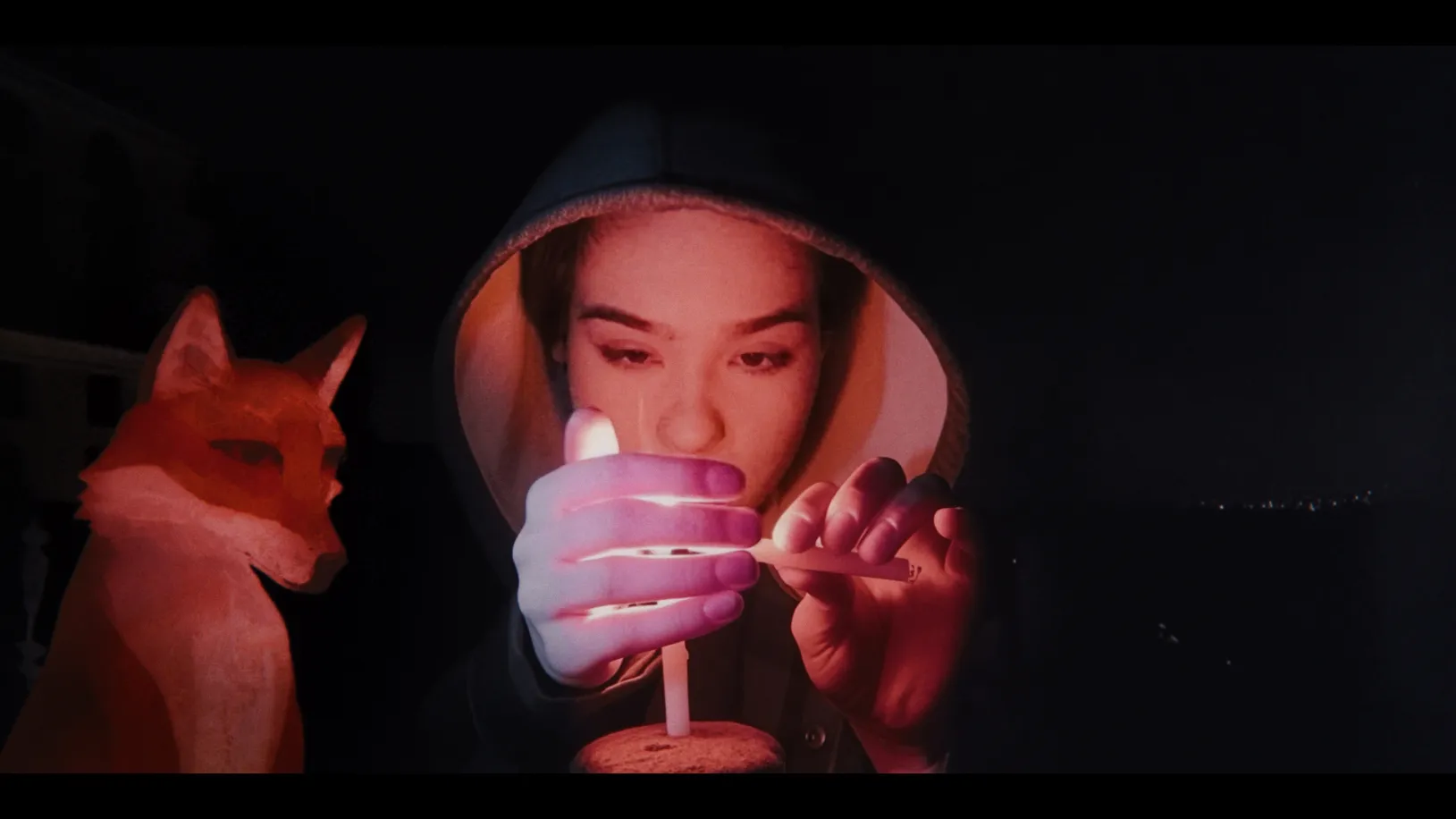
The track titles offer clues to the range of the project: “Jazz Chord Possession,” “High Step,” “Aughts Hymnal” and “Upstairs 2021” suggest different relationships between groove, memory and abstraction. A new animated video for “Idiofone,” created by Mikel Patrick Avery and announced alongside the streaming release, extends that interest in movement beyond the recording itself. The visuals are a companion rather than evidence of how the album sounds.
Johnson’s career has crossed jazz ensembles, pop production and improvised music, and it would be easy to celebrate that versatility as an end in itself. But genre fluidity is now a familiar promotional claim. The more demanding question is whether such movement produces a distinct musical language. Animative offers a useful framework for asking it: electronic systems can be precise, but a breath-controlled intervention can make their timing contingent and vulnerable.
That tension gives the album a significance beyond the familiar argument about acoustic versus digital music. Johnson does not have to choose between them. Instead, he makes the border itself part of the composition—and reminds us that a machine can be made to respond to the imperfect presence of a person.
Album cover photograph, design and layout: Anna Powell Denton. Courtesy International Anthem / Nonesuch Records.



Leave a Reply