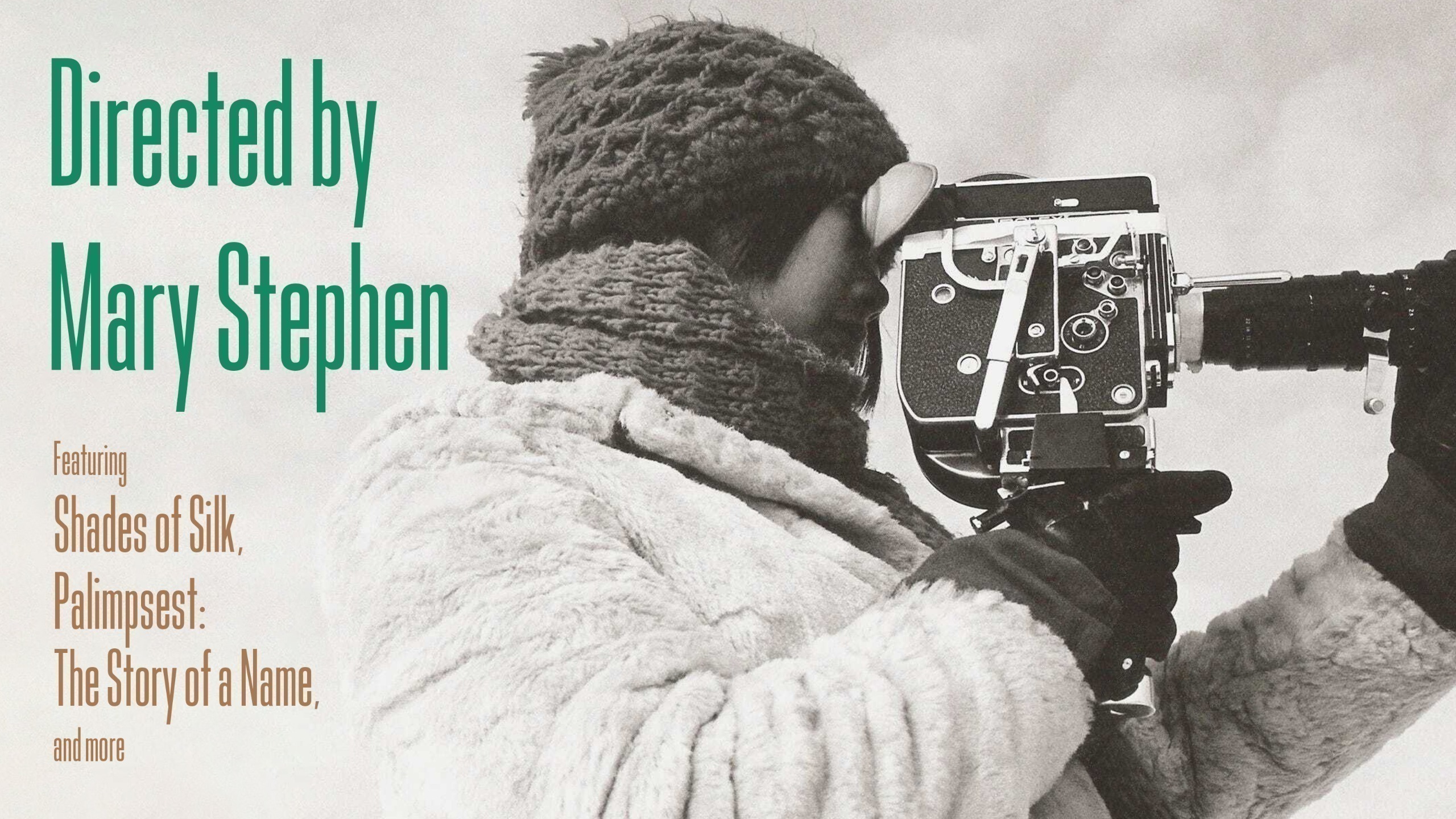
The history of cinema is full of artists who became famous for helping other directors find their voices. Editors are especially vulnerable to this kind of disappearance: their decisions shape the rhythm of a film, but their names rarely become shorthand for its style. The Criterion Channel’s November program devoted to Mary Stephen offers an unusually direct correction.
Stephen was born in British Hong Kong, grew up in Montreal and went to Paris as a young cinephile. She became a close collaborator of Eric Rohmer, working as both editor and co-composer, and later worked with filmmakers including Ann Hui. Those credits describe an impressive career, but they do not tell the whole story. Stephen also made films of her own, and Criterion’s collection makes those less familiar works the center rather than an appendix.
The program includes newly restored experimental shorts Labyrinthe (1973), The Great Canadian Puberty Rite (1974) and A Very Easy Death (1975). It also brings together Shades of Silk (1978), set in 1930s Shanghai, and the much more recent Palimpsest: The Story of a Name (2025), which examines Stephen’s family history.
That range matters. It resists the easy assumption that an editor’s personal films are minor diversions from a more important professional career. The early shorts belong to a period of experimentation, while the two features suggest sustained questions about memory, identity and the stories that can be told about a life. The decades between them become part of the program’s meaning.
There is another, subtler connection between editing and autobiography. An editor works with fragments, omissions, juxtapositions and time. Family history presents similar problems: what survives, what cannot be recovered, and what happens when one generation arranges the evidence left by another. The title Palimpsest suggests a record written over but never completely erased. It is a productive way to think about a filmmaker whose own work has often sat beneath the more celebrated films she helped make.
Criterion describes Shades of Silk as a work concerned with unspoken desire in 1930s Shanghai. Paired with the later family-history film, it opens a conversation about the relationship between inherited narratives and private lives without reducing Stephen to a single national or artistic identity.
The significance of this retrospective is not that a neglected filmmaker has suddenly been discovered. Stephen has been working for decades. It is that audiences are being offered a different way to organize a familiar film history: not solely around directors and masterpieces, but around the artists whose creative lives cross borders, jobs and generations.




Leave a Reply