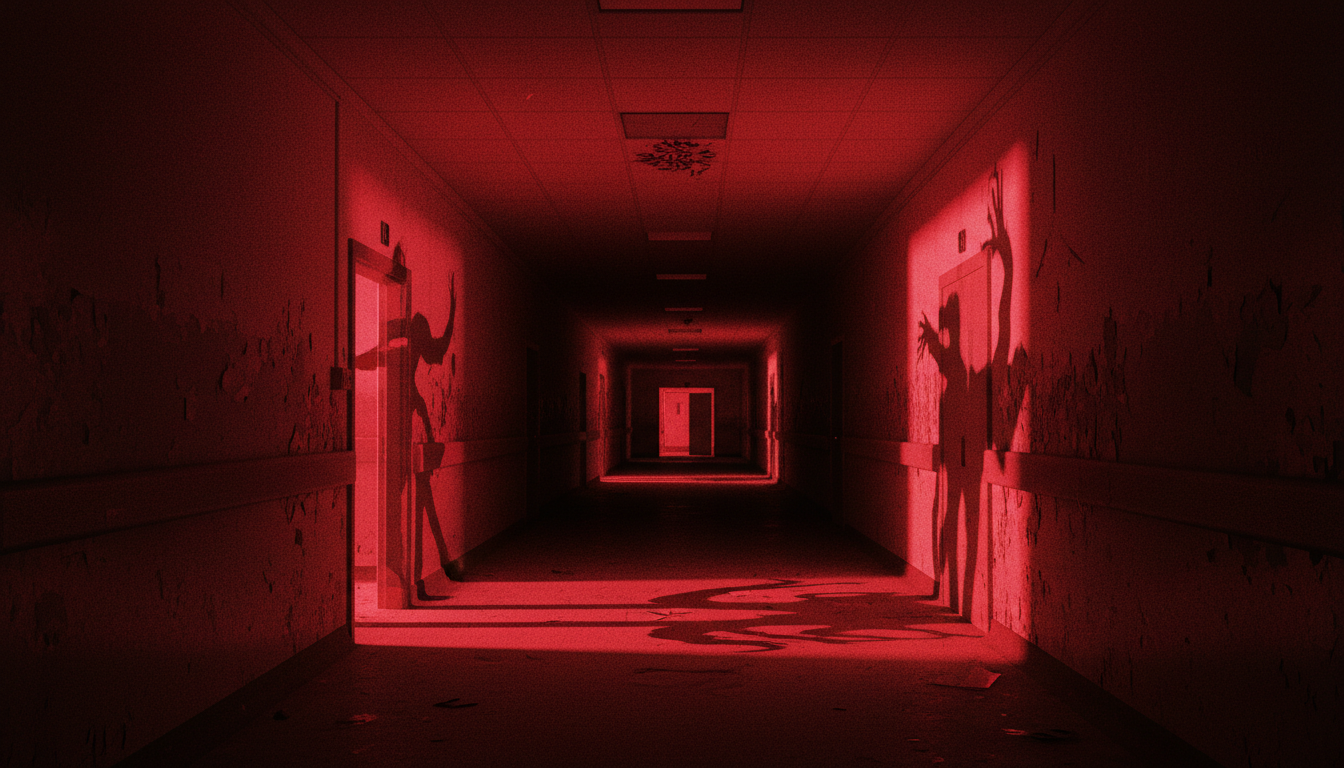
For anyone who thinks modern horror has become a predictable cycle of familiar monsters, interchangeable jump scares and recycled franchises, the 2026 Sitges International Fantastic Film Festival offered a persuasive argument to the contrary.
At its 59th edition, held in the Catalan seaside town from October 8 to 18, the festival made room for films in which the most frightening transformations were not necessarily supernatural. Work, parenthood, the body itself and the instability of everyday life provided fertile ground for a particularly strange selection of stories.
Body Horror Beyond the Familiar
The festival’s Best Feature award went to Sanguine, directed by French filmmaker Marion Le Corroller. Set around a pressured hospital emergency department, the film follows a young medical resident confronted by patients with disturbing symptoms while undergoing a troubling physical transformation of her own.
Its premise places body horror in a recognizable workplace. The horror comes not merely from what happens to the human body but from an environment in which relentless demands make that body feel less and less under its owner’s control. It’s the sort of unnerving connection between everyday anxiety and fantastical cinema that makes the genre so adaptable.
Monstrous Motherhood and Unsettling Families
Another recurring current was the uneasy intersection of parenthood and fear. Hanna Bergholm’s Nightborn and Alphan Eşeli’s Mutter approached family life through disturbing genre imagery, engaging with anxieties rarely expressed so dramatically on screen.
The festival also marked 50 years of Narciso Ibáñez Serrador’s Who Can Kill a Child? with an exhibition devoted to the legacy of sinister children in horror. The connection was revealing: today’s filmmakers may use new textures, tones and provocations, but the genre remains preoccupied with the terrifying possibilities concealed inside supposedly safe domestic spaces.
Ghosts, Prisons and the Freedom to Be Strange
The award for Best Director went to Indonesian filmmaker Joko Anwar for Ghost in the Cell, a supernatural prison story that also received the festival’s young-jury prize for Best Feature in the official competition. Elsewhere, selections ranged from Takashi Shimizu’s The Mouths to films mixing fantasy, comedy and elaborate narrative tricks.
That variety matters. International genre cinema offers space for filmmakers who refuse to treat horror as a rigid set of rules. A scary film can also be funny, politically suggestive, tender, surreal or simply baffling. Its ambition need not be measured by the volume of its jump scares.
What Sitges Tells Us About Horror Now
The festival is not a referendum on the whole industry, and an adventurous program doesn’t mean formula-driven horror is disappearing. But Sitges serves as a reminder that some of the genre’s most intriguing work is coming from filmmakers willing to make audiences uncomfortable in less obvious ways.
The future of horror may not belong to a new masked villain. It might be lurking in a hospital shift that never ends, an unsettling family relationship, or an ordinary body suddenly made strange.
Sources: Sitges Film Festival official award results; The Guardian’s festival report. Featured image: editorial illustration, not a still from any featured film.


Leave a Reply